What are Cue Tips?
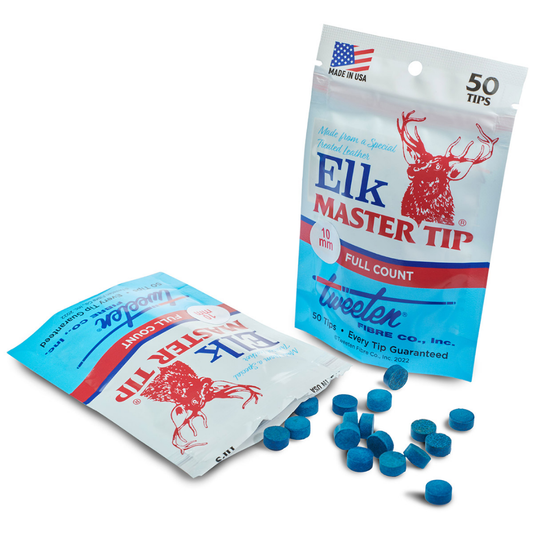
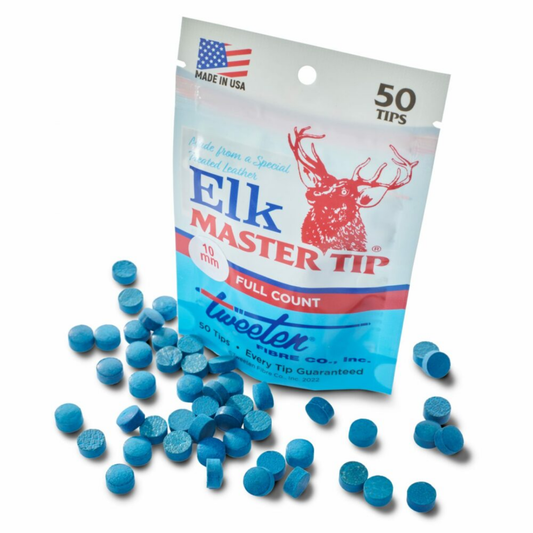
Cue tips are small leather components fixed at the end of a cue. They are responsible for making contact with the cue ball and play a key role in control, spin and shot accuracy.
They are an essential part of cue sports equipment and directly influence overall cue performance during gameplay.
Types of Cue Tips
Cue tips are available in different types based on construction:
- Compressed Cue Tips – Made from a single layer of compressed leather. and commonly used for regular play
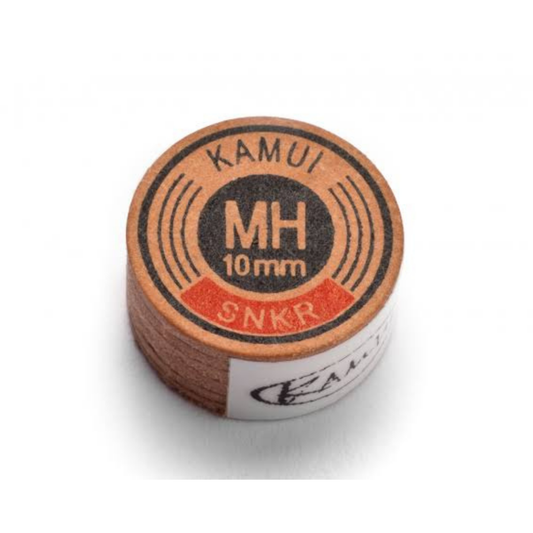
- Layered Tips – Built from multiple leather layers for more consistent performance
Both types are used across different levels of play depending on preference and playing style.
Cue Tip Hardness (Soft, Medium, Hard)
Cue tips are also classified by hardness:
- Soft Tips – Provide better grip and spin but wear out faster
- Medium Tips – Offer a balance between control and durability
- Hard Tips – More durable and require less maintenance, but offer less spin control
The choice depends on how much control, feedback and durability a player prefers.
Cue Tip Sizes
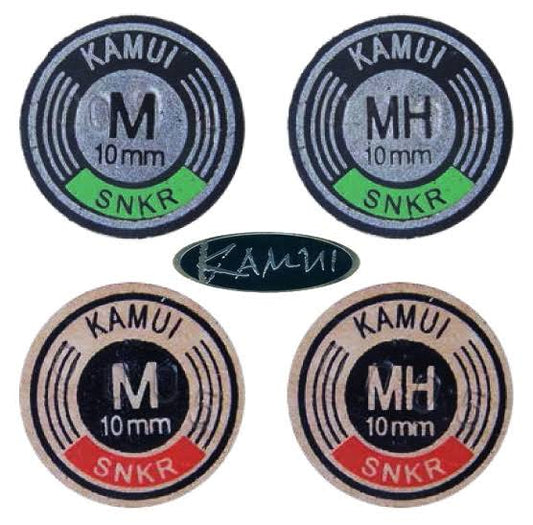
Snooker cue tips are typically available in sizes such as 9 mm and 10 mm. Smaller tip sizes allow for more precise contact and control, which is important for snooker gameplay.
Selecting the correct size ensures better cue ball control and consistent shot execution.
How to Choose the Right Cue Tip
Choosing the right tip depends on playing style and frequency of use. Players who prioritise control and spin may prefer softer tips, while those looking for durability and consistency may choose medium or hard tips.
Type, hardness and size should all be considered when selecting a cue tip for different playing conditions.
Importance of Cue Tips in Gameplay
The cue tip directly affects how the cue interacts with the ball. A well-maintained tip improves grip, reduces miscues and allows better control over spin and direction.
Regular maintenance and timely replacement help maintain consistent performance during play.
When to Replace a Snooker Cue Tip
A cue tip should be replaced when it becomes too thin, hard, uneven or loses its ability to hold chalk. Worn-out tips can affect accuracy and control.
Regular players may need to replace tips more frequently depending on usage.