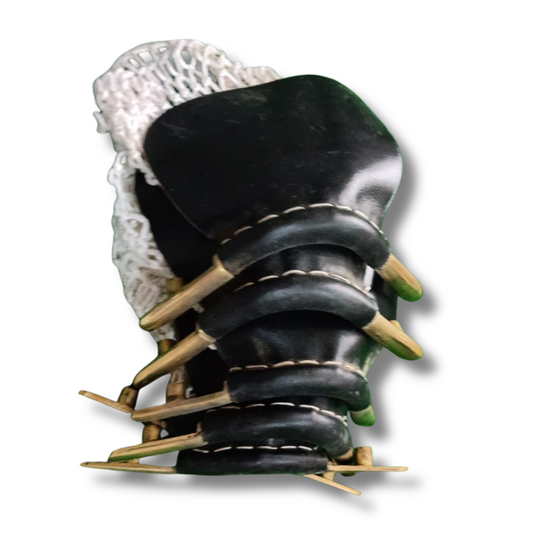
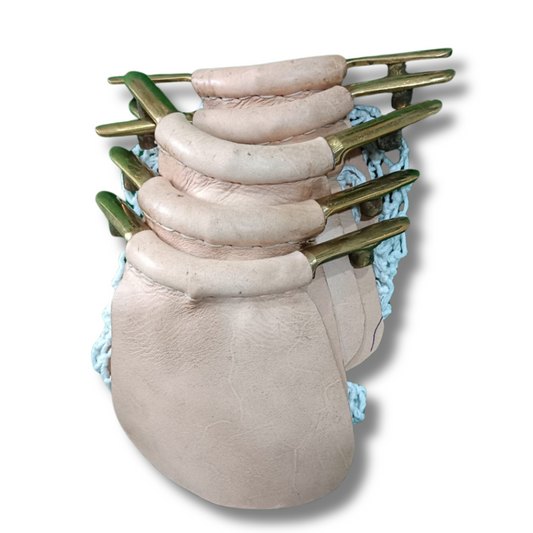
What are Snooker Table Pockets?
Snooker table pockets are the designated openings on the table where balls are potted during gameplay. They consist of pocket openings, leather or rubber surrounds, and attached nets or collection systems that hold the balls after potting.
Pocket net and railing systems are essential components that support both gameplay accuracy and ball collection. They are designed to absorb ball impact while maintaining consistent pocket behaviour across the table.
Types of Pocket Systems
Snooker tables typically use corner and middle pockets, each designed with specific angles and openings. Pocket nets can vary in depth and flexibility depending on table type and usage.
Railing structures help secure the pockets firmly to the table frame, ensuring stability and proper alignment during play.
Materials and Build Quality
Pocket nets are commonly made from durable cotton material designed to withstand repeated impact. Railing components are typically reinforced for strength and long-term durability.
High-quality materials help maintain pocket shape, reduce wear and ensure consistent ball collection without affecting gameplay.
Importance in Gameplay
Well-constructed pockets contribute to fair and consistent gameplay. Poor-quality pockets may affect ball drop, rebound or acceptance angles, impacting shot accuracy.
Reliable pocket systems ensure smooth ball entry and proper collection without unnecessary resistance.
Usage Across Tables
Pocket systems are used across snooker, pool and billiard tables, with variations in size, depth and design depending on the format of the game.
In snooker & billiards, pockets are generally tighter and more precise, requiring accurate shot-making and controlled ball entry. Pool tables, on the other hand, typically feature slightly wider pockets to suit faster gameplay and different ball sizes.